
20Apr, 2020
Healthcare workers ‘should be screened for Covid-19 every week’

UK cancer specialist says leaving potentially infectious staff in hospitals is unethical

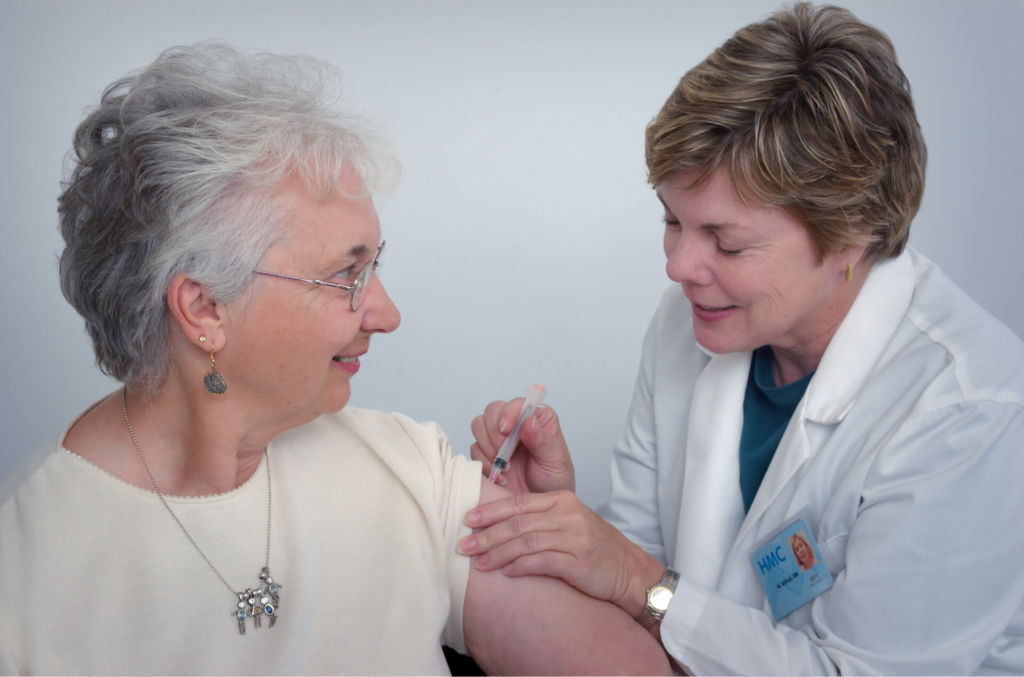
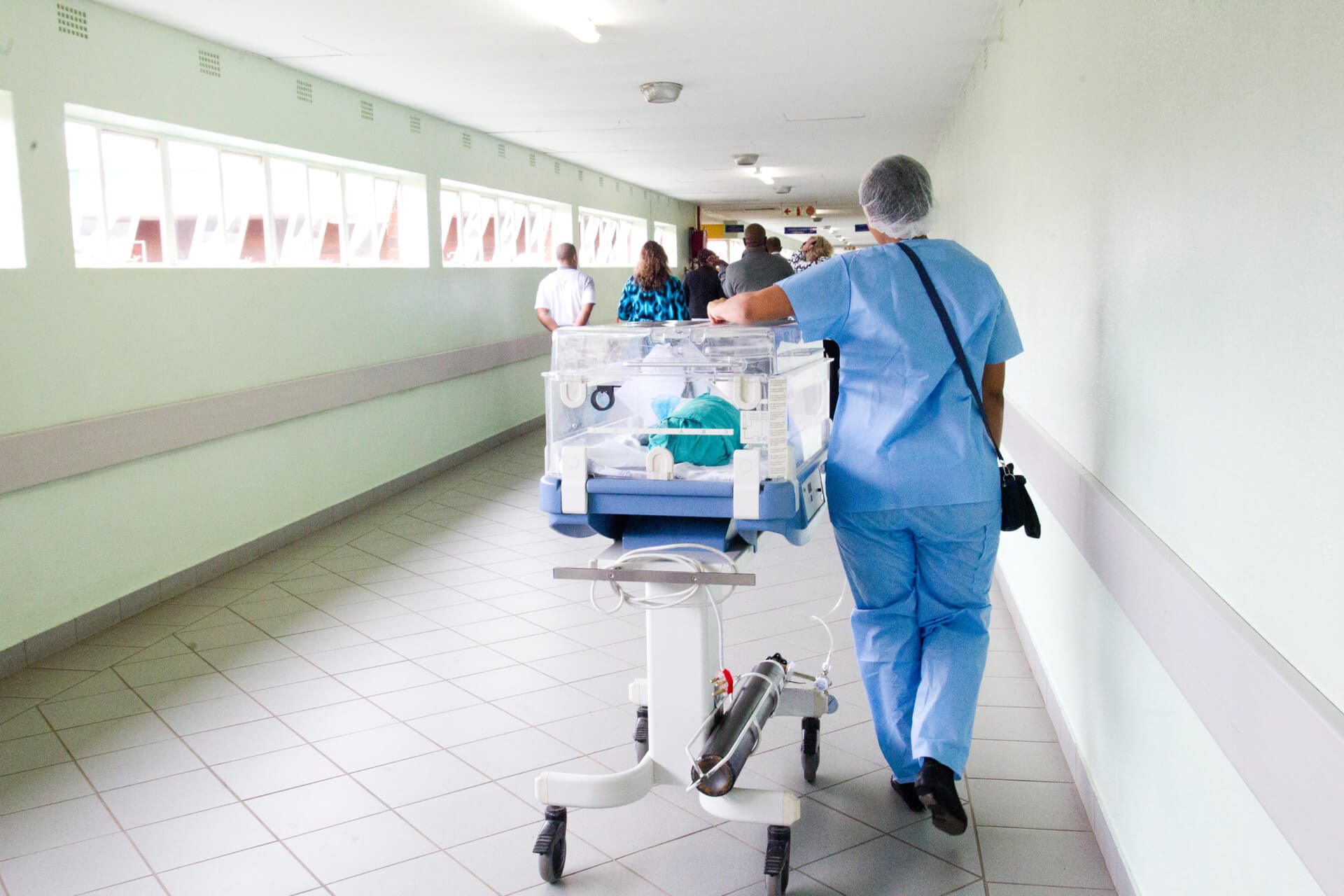
Healthcare workers should be screened for Covid-19 every week to protect patients from asymptomatic infection, the head of the Francis Crick Institute’s testing facility has said.

The call comes amid concerns that hospitals are becoming hotspots for disease transmission and evidence that a significant fraction of those infected show few or no symptoms.

“For all our fuss about social distancing we fairly ignoring one of the main routes of infection in front of our eyes,” said Prof Charles Swanton, who is leading the testing effort at the institute in London. “That’s almost untenable to argue you should haven’t been screening and isolating healthcare workers.”

The institute is next week launching a pilot to screen staff at University College hospital to identify asymptomatic Covid-19 cases, but the approach has not been explicitly endorsed by the government and there have been no indications that this is being considered as a national strategy.

The institute’s testing lab has capacity to run 3,000 tests a day, so would be capable of running a screening operation for staff at UCH, if this approach were adopted.
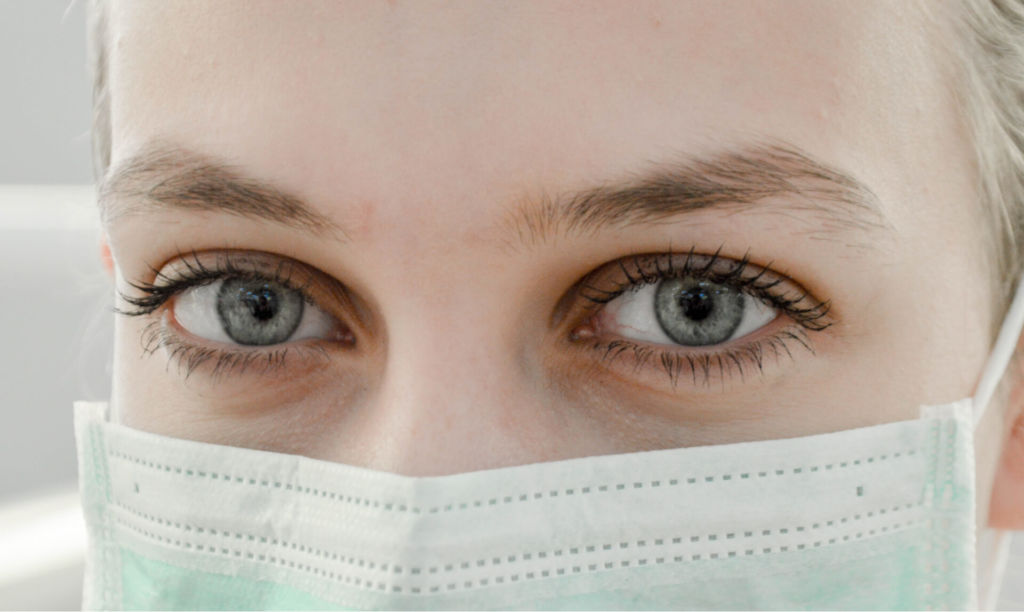
A possible concern is that screening could lead to large numbers of doctors and nurses, who are otherwise well, being required to self-isolate. But the alternative – leaving asymptomatic, but potentially infectious staff on the wards – runs contrary to the principle of “do no harm”, Swanton said.

They’re too scared to go to hospital and you can understand why

Patients were very aware of the risk, he added, and were staying at home due to justified fears that they could contract the virus by attending hospitals or seeing GPs.

The situation appears to be causing fewer emergency calls from people who have suffered strokes or heart attacks, potentially fuelling the rise in non-coronavirus deaths seen in figures released this week. Those with other conditions may also be deterred from seeking medical help.

On Thursday the Guardian reported that London A&E chiefs were concerned that patients were staying away, saying in a meeting last week: “People don’t want to go near hospital. As a result salvageable conditions are not being treated.”

Swanton, who is also chief clinician at Cancer Research UK, said: “I’m concerned that cancer patients need to be able to have the confidence to come into wards. We’re in this for another month at least, probably two or three. That’s a very long time to have a delayed cancer diagnosis.”

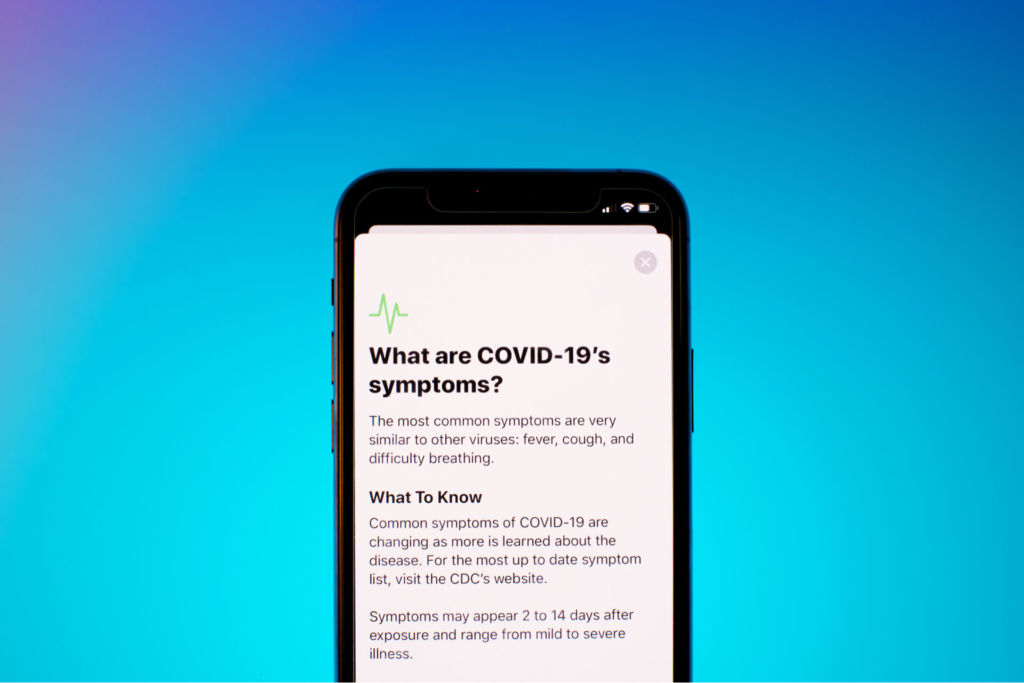
There is growing evidence that a significant proportion of people infected with Covid-19 show few or no symptoms and that up to half of transmission may take place before symptoms occur.

A study of people onboard the formerly quarantined Diamond Princess cruise ship, which was docked in Yokohama, Japan, found 328 of the 634 positive cases (52%) were asymptomatic at the time of testing, and other studies have found a range of 20-80% of people carrying the virus but showing no symptoms.

To identify such cases, healthcare workers had ideally to be screened weekly in high-risk areas, Swanton said.

Graham Cooke, professor of infectious diseases at Imperial College London, agreed that screening should be seriously considered as the testing capacity is increased this month.

“I do think we need to raise the conversation about large-scale testing in healthcare settings,” Cooke said. “Now we’ve got good evidence that there’s significant transmission in people who are pre-symptomatic. We’ve got concerns about transmission in hospitals and we’ve got much-improved capacity for testing. There are reasons to be cautious, but one of them is not to be afraid of what we might find.”

– The Guardian –
20Apr, 2020
Precision Medicine Researchers Identify New Alzheimer’s Genes

Researchers from Boston University School of Medicine, in collaboration with scientists from the Alzheimer’s Disease Sequencing Project (ADSP), have discovered new genes that could contribute to the onset of Alzheimer’s disease. The new discovery may advance precision medicine treatments for the degenerative condition.

The National Institutes of Health developed ADSP in response to the National Alzheimer’s Project Act, which aims to improve health outcomes and reduce financial burdens for individuals with Alzheimer’s.

Alzheimer’s’s the leading cause of dementia and the sixth leading cause of death in the US. However, despite the growing prevalence and rising costs of the condition, the genetic and environmental factors that make some individuals more susceptible to this disease are still not well understood.

When Improving the exomes of 6000 patients with Alzheimer’s to those of 5000 cognitively healthy older adults, researchers were able to find variations in genes that they believe may contribute to the development of Alzheimer’s.

The newly discovered genes may indicate an inflammatory response and changes in protein production. Both of these changes are thought to contribute to the neurodegeneration that happens in Alzheimer’s.

“This large and deep gene sequencing study is an important part of identifying which variations may play a part in risk of getting Alzheimer’s or protection against it,” said Eliezer Masliah, MD, Director of the Division of Neuroscience at the National Institute on Aging, part of NIH.

“Big data efforts like the ADSP are really helping research move forward. Identifying rare variants could enhance our ability to find novel therapeutic targets and advance precision medicine approaches for Alzheimer’s disease. “

The team stresses that further research will be necessary to find other genes hidden throughout the genome. Scientists currently believe that the onset of Alzheimer’s is the result of many genes and their interactions.

20Apr, 2020
The Age of Analytics

Data stands at the foundation for the future of healthcare as a valuable resource, with the boundless potential to alter the way healthcare is created, reviewed and delivered.

Experiencing a paradigm shift of rapid change, Asia’s healthcare is entering a digital healthcare system that will supersede its predecessor of the 4.0 industry. Soon to outpace Europe as the second-largest regional market by 2023, Asia is developing into a major growth engine behind global healthcare, according to a report by McKinsey & Company.

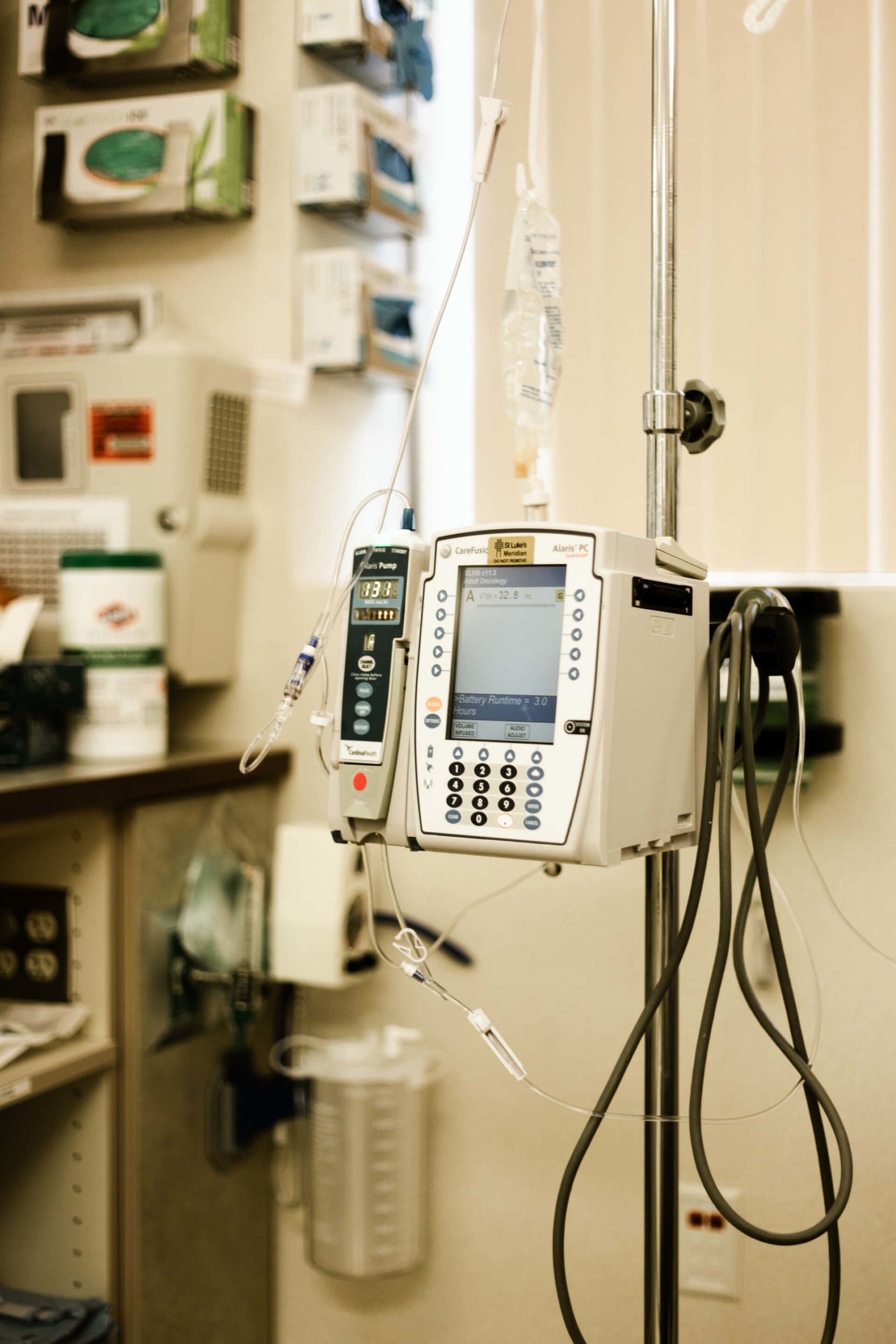
Amid an external environment that is both challenging and complex, the region’s evolving medical needs stem from its geography and economic climate, a backdrop with the presence of infectious tropical diseases and multiplying chronic ailments. However, supplying adequate healthcare remains a key challenge in this diverse region, with its delivery ranging from world-class hospitals in Singapore and Bangkok, to crowded medical facilities in other less-developed countries. Quality healthcare requires the adoption of modern medical technology, or medtech. As such, optimally designed hospitals need to accommodate the utilisation of complex equipment to address human error and mechanical failure, while also stabilising the overwhelming ratio of patients to medical professionals.

Built for Mobility

Aside from its role in industrial sectors, exoskeletons have grown into its own space in the medical sector, becoming a viable source in both treating and countering conditions such as Parkinson’s disease, multiple sclerosis, spinal cord injury, and stroke which can hinder mobility among patients. The assistance of medical exoskeletons not only benefits patients, but aids in attending to the unintended strains of such conditions like fatigue and overexertion among healthcare workers as well. Reducing work-related injuries, and its consequential care, the growth of exoskeletons in the medical sector is expected to reach USD 578 million by 2024.

Access to Quality Air

The acute respiratory distress syndrome (ARDS) is common among critically ill patients, closely associated with acute respiratory failure, limited quality of life, and high mortality. ARDS occurs most often in the setting of pneumonia, sepsis, aspiration of gastric contents or severe trauma with an incidence among patients admitted to the intensive care unit (ICU) as high as 10 percent. Out of necessity, hospitals all around the world require mechanical ventilation for its treatment of ARDS, specifically demanding an accurate concentration of purified medical air.

Wear and Sync Data

There are currently about 800 million people with high blood pressure worldwide. According to the World Health Organisation (WHO), studies indicate that in North America, Western Europe, and the Asia-Pacific region, lowering of systolic blood pressure can reduce the risk of stroke of approximately by one third, in people aged 60 to 79 years. Since the invention of its first blood pressure monitors over 40 years ago, Omron Healthcare has been championing the change in the how blood pressure monitors are perceived with the first wearable oscillometric blood pressure monitor, HeartGuide.

20Apr, 2020
Daily Routine for a Healthy Life

Finding and adopting the right daily routine will re-energize you and help you regain wasted time. Your mind and body will thank you for the decreased anxiety and extra care you’ve given it. Here’s to a healthier, calmer, and higher-achieving you.

It takes time to become the best version of yourself but I’ll help you to make it easier by getting you a few healthy daily routine examples to follow directly:

  • Daily routine for good health and more energy
  • Daily routine for an organized life
  • Daily routine for more productive work
  • Daily routine for a stronger relationship

Pick one routine to stick to first

And, then gradually combine one more routine to fit into your life each week. In less than 2 months, you will be living a healthy and successful lifestyle in autopilot.

Morning Routine

1. Start your day with a glass of lemon water

Simply add the juice of half a lemon to your glass and drink it to enjoy a refreshing start to the day.

Lemon juice reduces your body’s acidity levels, which in turn protects you against inflammatory diseases such as fungal infections and osteoporosis.

2. Exercise

Working out early in the morning improves your energy levels, improves your circulation, and encourages good lymphatic function. Just 20 minutes every day can make a difference! Mix up cardio and weights throughout the week for all-over toning and general health.

Getting on the scale each morning is also an effective way to monitor your weight. Don’t go weeks without weighing yourself, because this allows you to remain in denial about any weight gain!

3. Eat a good breakfast

Fuel yourself with a healthy mix of protein, slow-release carbohydrates, vitamins and minerals. Sensible options include yogurt with nuts and berries, a vegetable omelette, and low-sugar granola bars with a piece of fruit.

4. Stay hydrated and snack smart

Did you know that becoming even slightly dehydrated can lead to lowered mood and decreased concentration? Keep water or other low-sugar drinks on hand to sip throughout the day.

When it comes to snacking, pick foods that will give you a slow release of energy. Pairing a protein with a complex carbohydrate is a smart choice. For example, try half an apple spread with peanut butter.

Afternoon Routine

1. Get a healthy lunch

Even the busiest of us can grab a healthy lunch. You just need to think ahead!

Avoid too much fat at lunch time, as it promotes afternoon lethargy, which isn’t going to help you get through a busy day!

2. Take some mid-afternoon exercise

Most of us have a mid-afternoon “slump” somewhere between 2 p.m and 4 p.m, but you can keep yourself going through the day by choosing a healthy lunch and taking some moderate exercise in the afternoon. This doesn’t have to strenuous. Just a 10-minute walk and a few stretches at your desk can work wonders.

Evening Routine

1. Dinner

You organize your grocery list so that you always have the right ingredients to hand. Be realistic – choose something that doesn’t require a lot of time or effort to throw together, otherwise you may resort to takeout.

Green vegetables are always a great choice, as they are packed with antioxidants and have an alkalinizing effect. Choose plant-based proteins such as tofu or seitan or, if you prefer animal protein, pick fish and lamb rather than beef or chicken to minimize acidity levels in the body.

2. Take time to relax

It’s normal to feel stressed from time to time, but high stress levels leave you vulnerable to a number of health conditions and problems including depression and elevated blood pressure.

Find a healthy activity that relaxes you, then set aside some time every day to do it! This could be journaling reading an inspiring book, spending time with a pet meditating, or simply taking a few minutes to remind yourself of everything that is going well in your life.

20Apr, 2020
Take care of your body & health

Poor health habits can add stress to your life and also play a role in how well you are able to cope with stress. The stress that comes from poor health is significant. Health challenges also affect other areas of your life. Health problems can make daily tasks more challenging, create financial stress, and even jeopardize your ability to earn a living.

Healthy Diet for the Right Reason

Rather than eating right solely for the promise of looking better in your jeans, you should also make a commitment to eating foods that will boost your energy levels and keep your system running smoothly. This is because what you eat can not only impact your short-term and long-term health, it can affect your stress levels.

Another reason it’s a good idea to maintain a healthy diet is that your diet can have an effect on your mood.3 While the effects of an unhealthy diet are cumulative and become more apparent in the long-term, you are also less likely to feel well in the short-term if you are eating a diet heavy on sugar-laden, fatty, or nutritionally empty foods.

Some of the more immediate effects poor diet include feeling:

  • Lethargic
  • Jittery
  • Moody
  • Fatigued
  • Hungry
  • Weak

Eating well has important long-term consequences, but it may also help you feel more energetic and optimistic in the short-term as well

Make Sleep a Priority

Sleep can have a serious impact on your overall health and well-being. Make a commitment to get enough sleep at night. If you haven’t gotten adequate sleep, you may be less productive, less mentally sharp, and otherwise more prone to the effects of stress.

Some good habits that can help:

  • Try to get a full eight hours of sleep each night
  • Avoid caffeine after 2 pm
  • Avoid eating foods in the evening that might disrupt your sleep
  • Go to bed at the same time each night; wake up at the same time each morning
  • Create a restful sleep environment; make sure your bed is comfortable and keep the room at an optimal temperature for sleeping (between 60 and 67 degrees Fahrenheit)
  • Adopt a calming technique such as meditation to help yourself relax each night before bed

Fitness Habit

We’ve all heard the advice to eat right and exercise, but it can be difficult to fit in workouts around a busy schedule, particularly when you’re feeling exhausted from stress. One effective strategy for making fitness a regular part of your life is to build an exercise habit around your other habits-either attach a workout to your morning routine, your lunchtime habits, or make it a regular part of your evening-you get the idea

Select the fields to be shown. Others will be hidden. Drag and drop to rearrange the order.
  • Image
  • SKU
  • Rating
  • Price
  • Stock
  • Availability
  • Add to cart
  • Description
  • Content
  • Weight
  • Dimensions
  • Additional information
Click outside to hide the comparison bar
Compare